.webp)







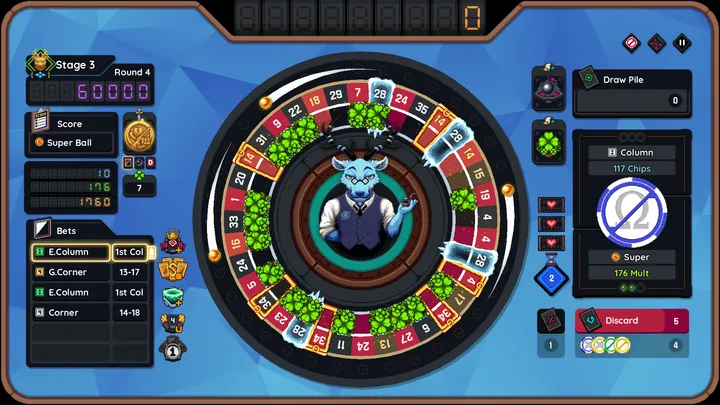
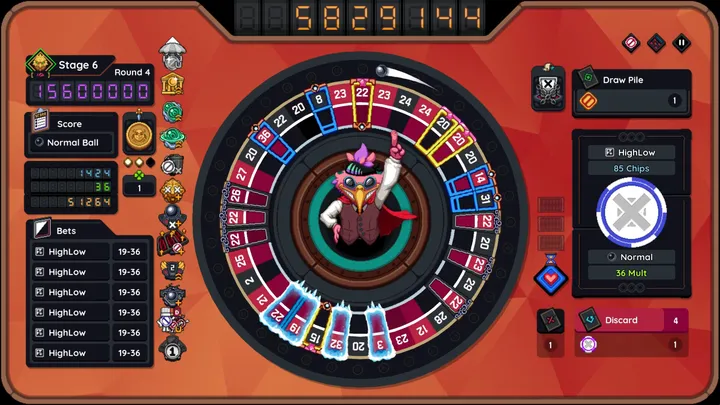
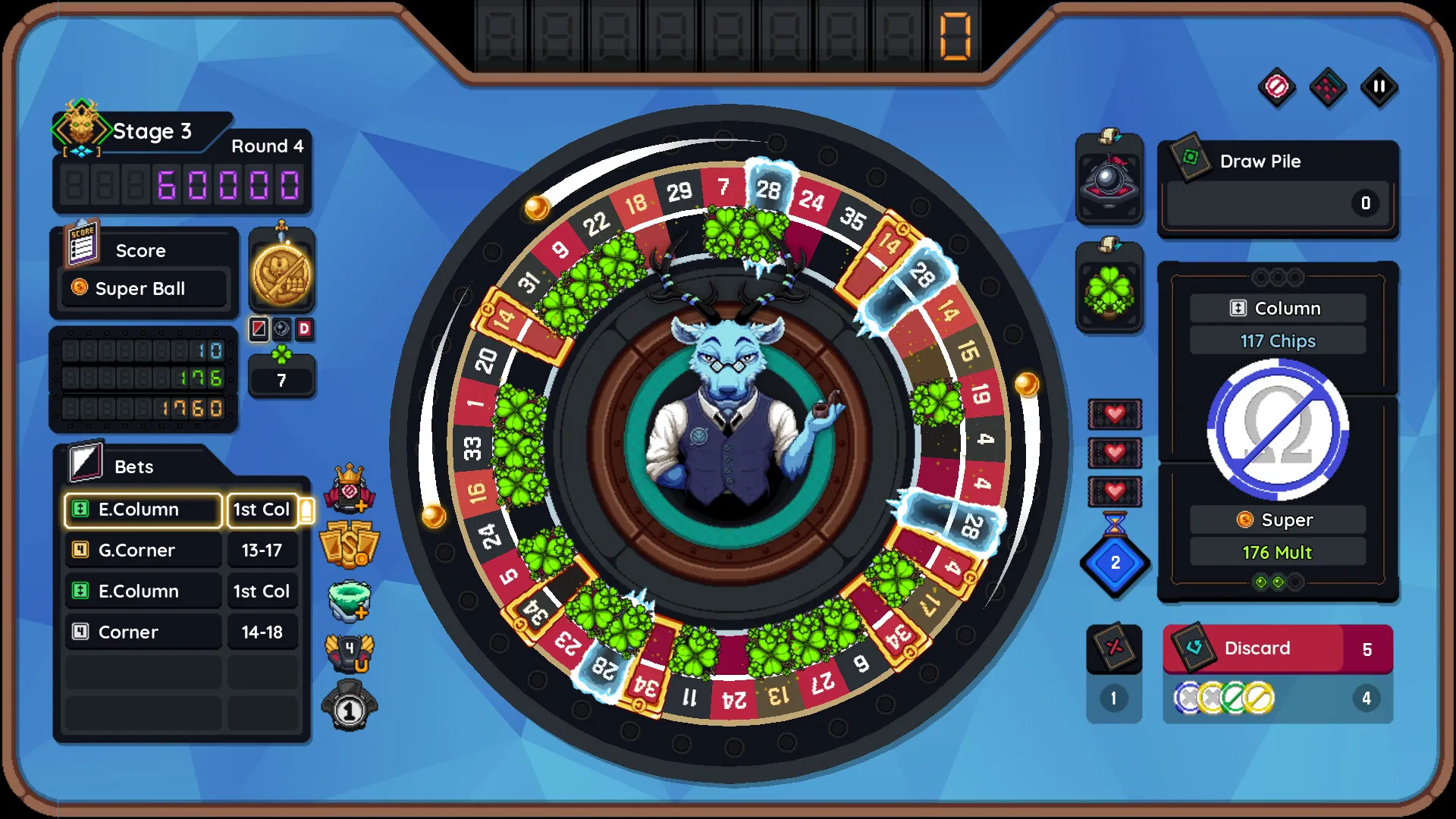
Bingle Bingle is an innovative roguelike deckbuilder that replaces cards with roulette wheels, betting systems, and customizable balls. Developed by Knitting Games, the title introduces a unique concept known as a "Roulette Builder," where players gradually modify every aspect of their roulette wheel to create powerful synergies and achieve increasingly absurd scores. Unlike traditional casino roulette, Bingle Bingle rewards strategic planning, adaptation, and understanding of game mechanics far more than pure luck.
At first glance, the game may seem overwhelming due to its large number of betting types, badges, tokens, classes, and balls. However, beneath its complex interface lies a surprisingly deep roguelike experience similar to deckbuilding games. Every decision made after a spin can dramatically change the outcome of future rounds. A poorly chosen upgrade may end an otherwise promising run, while a perfectly timed synergy can produce millions or even billions of chips.
This guide explains how to play Bingle Bingle effectively, from surviving the early rounds to constructing game-breaking combinations capable of defeating bosses and clearing difficult challenges.
1. How to Understand Bingle Bingle's Core Mechanics
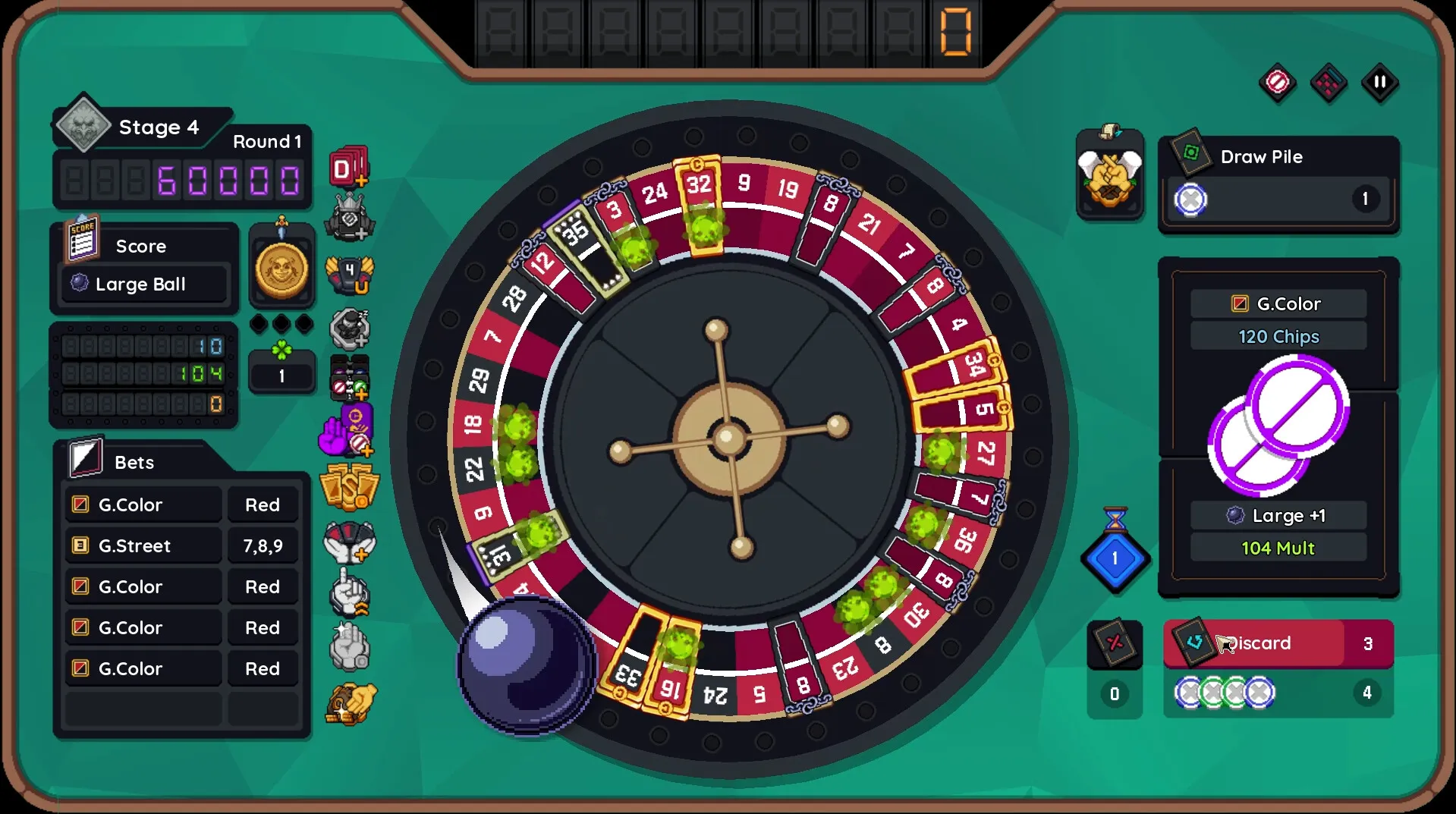
Before attempting advanced strategies, players should understand what separates Bingle Bingle from conventional roulette games. In Bingle Bingle, the roulette wheel itself functions like a customizable deck. Numbers, colors, betting options, and balls can all be modified during a run.
The objective is straightforward: reach target scores during successive rounds while strengthening your roulette setup. Failure to meet a score requirement ends the run immediately, forcing players to start over from scratch. This roguelike structure encourages experimentation and rewards long-term knowledge.
Understanding the Main Components
Roulette Wheel
The wheel contains pockets with different numbers and colors.
Players can:
- Change pocket values
- Freeze positions
- Remove pockets
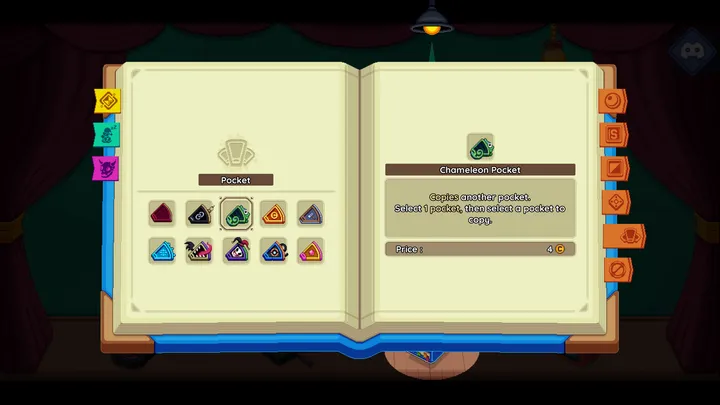
- Consume pockets
- Duplicate favorable numbers
Balls
Balls determine how spins behave.
Examples include:
- Stable balls
- Direction-changing balls
- Multi-hit balls
- Randomized balls
Bets
Bets act similarly to cards in deckbuilders.
Examples include:
- Odd or Even
- Red or Black
- Straight numbers
- Sections of the wheel
- Combination wagers
Beginner Advice
Do not worry about creating massive combinations immediately.
Learning how each mechanic influences scoring is more important during your first ten runs.
Bingle Bingle currently includes more than fifty betting options, over ten ball types, multiple classes, and dozens of items, providing significant replayability.
2. How to Choose the Best Starting Class
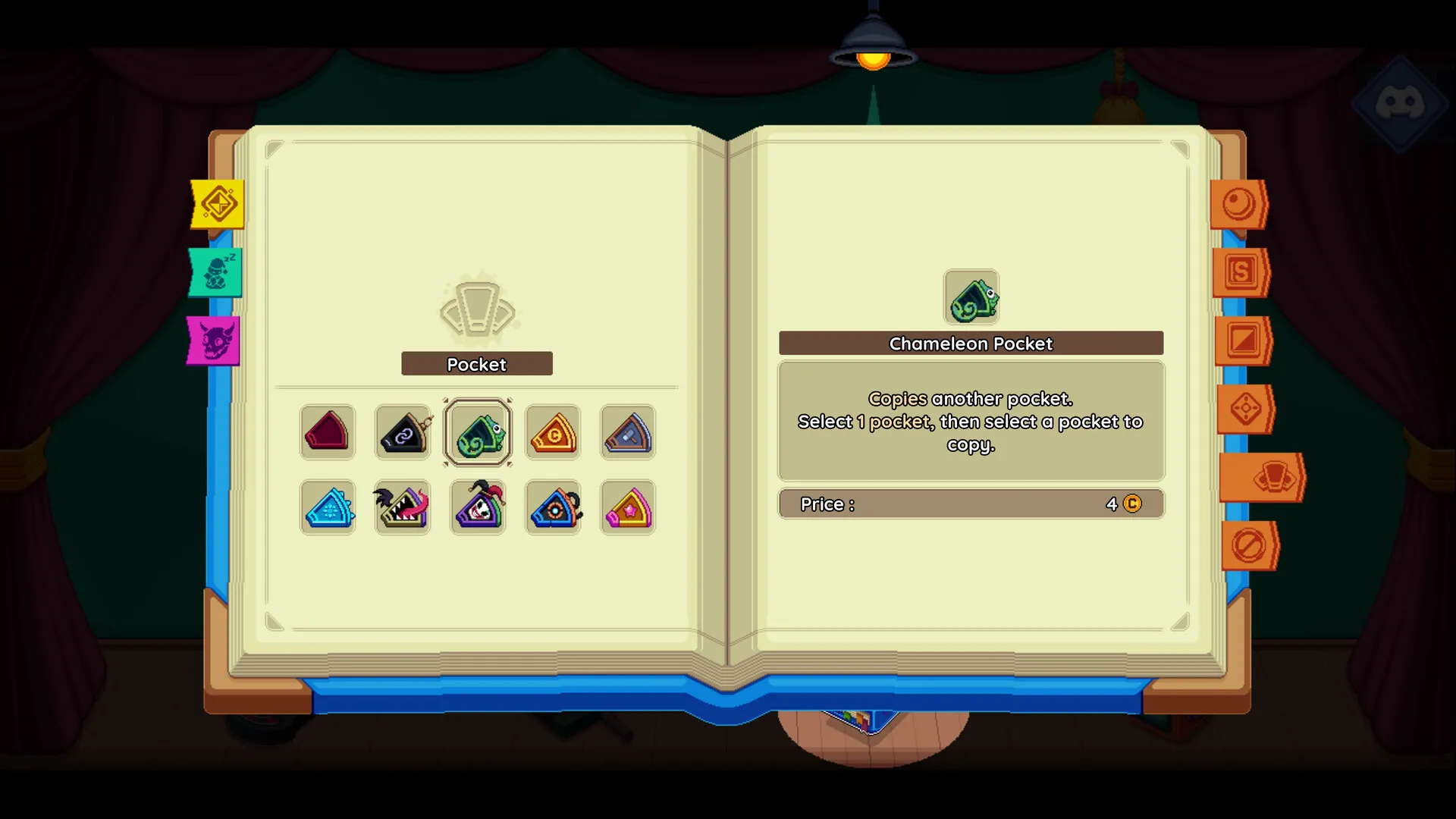
Classes determine your initial bonuses and often dictate the direction of an entire run.
Although classes appear balanced, some are easier for beginners.
Recommended Starting Classes
Balanced Specialist
Advantages:
- Flexible upgrades
- Reliable early economy
- Easier synergy building
Disadvantages:
- Lower explosive potential
Betting Expert
Advantages:
- Strong wager modifiers
- Higher scoring ceiling
Disadvantages:
- Requires precise planning
How to Select a Class
Choose according to your preferred playstyle.
For consistency:
- Balanced class
For high-risk strategies:
- Betting specialist
For experimentation:
- Unique utility classes
Early Goal
Your objective should not be maximizing points.
Instead, focus on surviving until midgame.
Long runs generate stronger opportunities.
3. How to Build an Efficient Roulette Wheel
Many beginners underestimate the importance of wheel management.
A wheel filled with random pockets becomes increasingly difficult to control.
Step One: Identify Valuable Pockets
Useful pockets usually include:
- Frequently activated colors
- High-value numbers
- Numbers interacting with badges
Step Two: Remove Weak Segments
Weak segments reduce consistency.
Examples include:
- Unused colors
- Negative modifiers
- Isolated values
Step Three: Duplicate Winning Pockets
Once strong positions appear, prioritize duplication.
Benefits include:
- Increased probability
- Better combo chains
- Stable income generation
Example Strategy
Suppose red pockets activate multiple bonuses.
You should:
- Remove blue sections
- Duplicate reds
- Freeze high-scoring positions
This strategy dramatically improves average spin values.
4. How to Use Balls Strategically
Balls represent one of the most misunderstood systems.
Different balls produce entirely different outcomes.
Basic Ball Categories
Precision Balls
Characteristics:
- Predictable movement
- Consistent scoring
Ideal for:
- Control-oriented builds
Chaos Balls
Characteristics:
- Unpredictable movement
- Huge combo potential
Ideal for:
- Experimental runs
Multi-Contact Balls
Characteristics:
- Trigger several pockets
Advantages:
- Badge activation
- Synergy stacking
Ball Selection Tips
Early game:
Choose reliability.
Late game:
Transition into combo balls.
Mistake to Avoid
Do not switch balls too frequently.
Building around a single ball often creates stronger results.
5. How to Create Powerful Betting Synergies
Betting combinations define most successful runs.
Individual bets rarely carry enough value.
Instead, players should search for interactions.
Synergy Categories
Color Synergy
Examples:
- Red bonuses
- Black multipliers
Number Synergy
Examples:
- Prime numbers
- Even numbers
- Consecutive chains
Section Synergy
Examples:
- Top half
- Bottom half
- Wheel quadrants
Building Synergies
Start with one theme.
Expand gradually.
Avoid mixing unrelated mechanics.
Effective Build Example
Core Strategy
Red Multiplication Build
Components
- Red pocket enhancement
- Triple red payouts
- Red duplication
- Red-triggered badges
Result
Consistent score growth.
6. How to Spend Resources Efficiently
Shops appear between rounds and provide numerous upgrade opportunities.
Unfortunately, not everything deserves purchasing.
Purchase Priorities
Tier One
Essential upgrades
Examples:
- Badge enhancers
- Pocket duplication
- Ball improvements
Tier Two
Situational upgrades
Examples:
- Minor chip gains
- Temporary buffs
Tier Three
Luxury purchases
Examples:
- Cosmetic modifiers
- Low-impact effects
Spending Guidelines
Spend aggressively only when:
- Current build is established
Save resources when:
- Searching for specific combinations
Economic Rule
A mediocre item today may prevent obtaining a game-changing item later.
7. How to Defeat Boss Rounds
Boss encounters introduce special restrictions.
These fights separate average runs from exceptional ones.
Bosses can:
- Disable colors
- Alter wheel behavior
- Remove bets
- Reverse ball movement
Preparation Checklist
Before entering bosses:
Ensure you possess:
- Stable income
- Backup wagers
- Reliable ball control
Boss Strategies
Color Restriction Boss
Countermeasure:
Diversify wheel colors.
Randomization Boss
Countermeasure:
Increase pocket density.
Ball Manipulation Boss
Countermeasure:
Use precision balls.
Advanced Advice
Never enter a boss relying entirely on one mechanic.
Redundancy increases survival chances.
8. How to Unlock More Content Faster
Progression systems reward repeated play.
New items become available through successful runs.
Unlock Priorities
Bets
New bets dramatically expand build options.
Balls
More balls create additional strategies.
Badges
Badges often determine endgame potential.
Fast Unlock Method
Focus on:
- Consistent clears
- Boss victories
- Experimentation
Do not restart immediately after minor setbacks.
Unexpected combinations occasionally become your strongest builds.
9. How to Reach Endless Mode
Endless Mode tests whether a strategy can survive indefinitely.
Difficulty scales rapidly.
Boss modifiers appear continuously.
Endless Preparation
Requirements
- Stable point generation
- Several scoring multipliers
- Backup synergies
Recommended Endless Builds
Pocket Duplication Engine
Advantages
- High consistency
Multi-Ball Strategy
Advantages
- Massive burst damage
Badge Amplifier Build
Advantages
- Exponential growth
Endless Mistakes
Avoid:
- Pure luck builds
- Single-number strategies
- Weak economy engines
A successful endless build should generate enough resources even during unfavorable spins.
10. How to Master Bingle Bingle Through Experimentation
Eventually, mastery comes from experience.
No guide can account for every combination.
Part of Bingle Bingle's appeal lies in discovering interactions independently.
Habits of Skilled Players
Analyze Every Failure
Ask yourself:
Why did the run collapse?
Was it:
- Poor economy?
- Weak wheel design?
- Inconsistent betting?
Learn Item Interactions
Certain badges appear mediocre initially.
However, paired with specific balls, they become incredibly powerful.
Suggested Learning Routine
Run One
Focus on color builds.
Run Two
Experiment with numbers.
Run Three
Try section wagers.
Run Four
Attempt hybrid strategies.
After twenty or thirty runs, recognizing synergies becomes almost automatic.
Players eventually stop reacting to rewards and begin planning several rounds ahead.
That shift in thinking often marks the transition from beginner to expert.
Conclusion
Bingle Bingle successfully transforms roulette into a deeply strategic roguelike experience. By treating the roulette wheel as a customizable deck, the game encourages experimentation, adaptation, and long-term planning rather than relying solely on luck. Learning how to optimize wheel layouts, choose the right balls, create synergistic betting combinations, and prepare for difficult bosses is essential for achieving high scores and conquering endless mode. Although randomness remains part of the experience, skilled players can consistently overcome challenges by making informed decisions and refining their strategies over multiple runs. Whether you aim to defeat bosses, unlock every item, or build absurd score-generating machines, mastering Bingle Bingle offers one of the most unique deckbuilding experiences available today.