




Introduction
Darkest Dungeon is a brutal turn-based roguelike RPG developed by Red Hook Studios that challenges players to descend into madness while reclaiming a cursed estate. Unlike traditional role-playing games that emphasize power fantasy and heroic triumph, Darkest Dungeon focuses on psychological strain, attrition warfare, and irreversible consequences. Every expedition is a calculated risk. Every victory comes at a cost.
What makes Darkest Dungeon unique is its stress system. Heroes do not simply lose health—they lose sanity. Prolonged exposure to horror, darkness, and critical hits slowly pushes adventurers toward mental breakdowns. This layered survival mechanic transforms dungeon crawling into a game of risk management rather than brute force. This guide explores how to build effective teams, manage stress, survive expeditions, and progress efficiently through the campaign.
Understanding the Core Gameplay Loop
Darkest Dungeon revolves around a repeating cycle: prepare in town, embark on expeditions, survive encounters, collect loot, manage stress, and recover before venturing out again. Success depends on balancing resources with long-term hero sustainability.
Each expedition consumes supplies:
- Food for hunger checks
- Torches to manage light levels
- Shovels for obstacles
- Bandages and medicinal herbs for emergencies
Running out of provisions increases risk dramatically. Preparation is not optional—it is strategic insurance.
The Hamlet (your base) acts as a recovery hub. Upgrading buildings improves healing, stress relief, and hero recruitment. Town progression is just as important as dungeon success.
Party Composition and Role Synergy
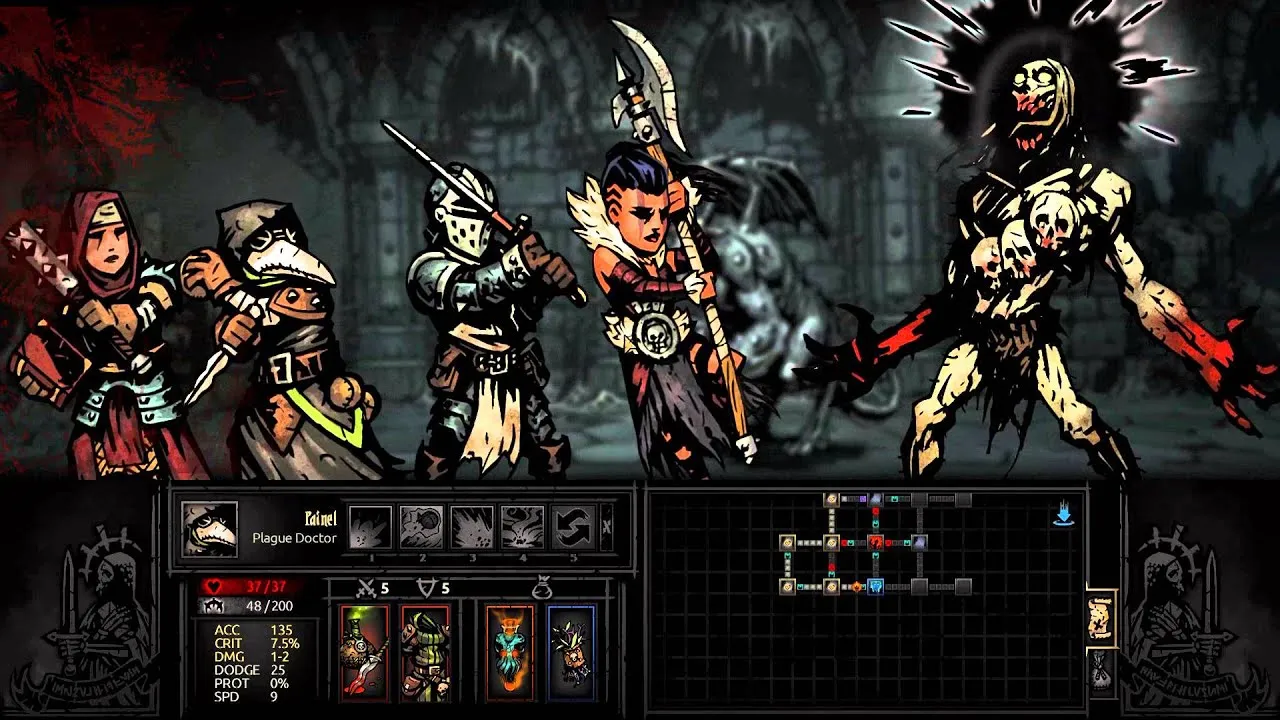
A balanced party is essential. Heroes are divided into combat roles based on positioning and abilities. Frontline heroes absorb damage, mid-line characters support or deal consistent damage, and backline heroes provide ranged attacks or healing.
Basic team structure typically includes:
- A tank or durable frontliner
- A primary damage dealer
- A support or healer
- A utility or stress controller
Positioning matters. Many skills can only be used from specific ranks. Displacement attacks from enemies can disrupt formation and cripple unprepared teams.
Synergy between abilities creates efficiency. For example, marking enemies increases damage from specific heroes. Bleed and blight damage over time can bypass high protection enemies. Building around synergy improves survivability.
Combat Mechanics and Turn Strategy
Combat in Darkest Dungeon is turn-based but heavily influenced by speed and accuracy. Randomness plays a role, but preparation and smart targeting minimize risk.
Key combat principles:
- Eliminate stress-dealing enemies first
- Focus fire rather than splitting damage
- Manage torchlight for accuracy and crit bonuses
Light level affects gameplay significantly. Higher light improves accuracy and reduces enemy crit chance. Lower light increases loot but amplifies danger.
Stuns are powerful tools. Disabling enemies prevents damage entirely, often more valuable than healing after being hit.
The Stress System and Psychological Management
Stress defines Darkest Dungeon. As heroes accumulate stress from attacks, traps, and environmental events, they risk afflictions. At 100 stress, heroes may develop negative traits like paranoia or selfishness. At 200 stress, they suffer heart attacks.
Stress management includes:
- Killing stress dealers quickly
- Camping strategically
- Using stress-reducing town facilities
Some heroes can inspire allies or reduce stress mid-combat. Investing in these abilities pays off in longer dungeons.
Virtues occasionally occur instead of afflictions, granting powerful bonuses. However, relying on virtue chances is risky and unreliable.
Hamlet Upgrades and Resource Investment
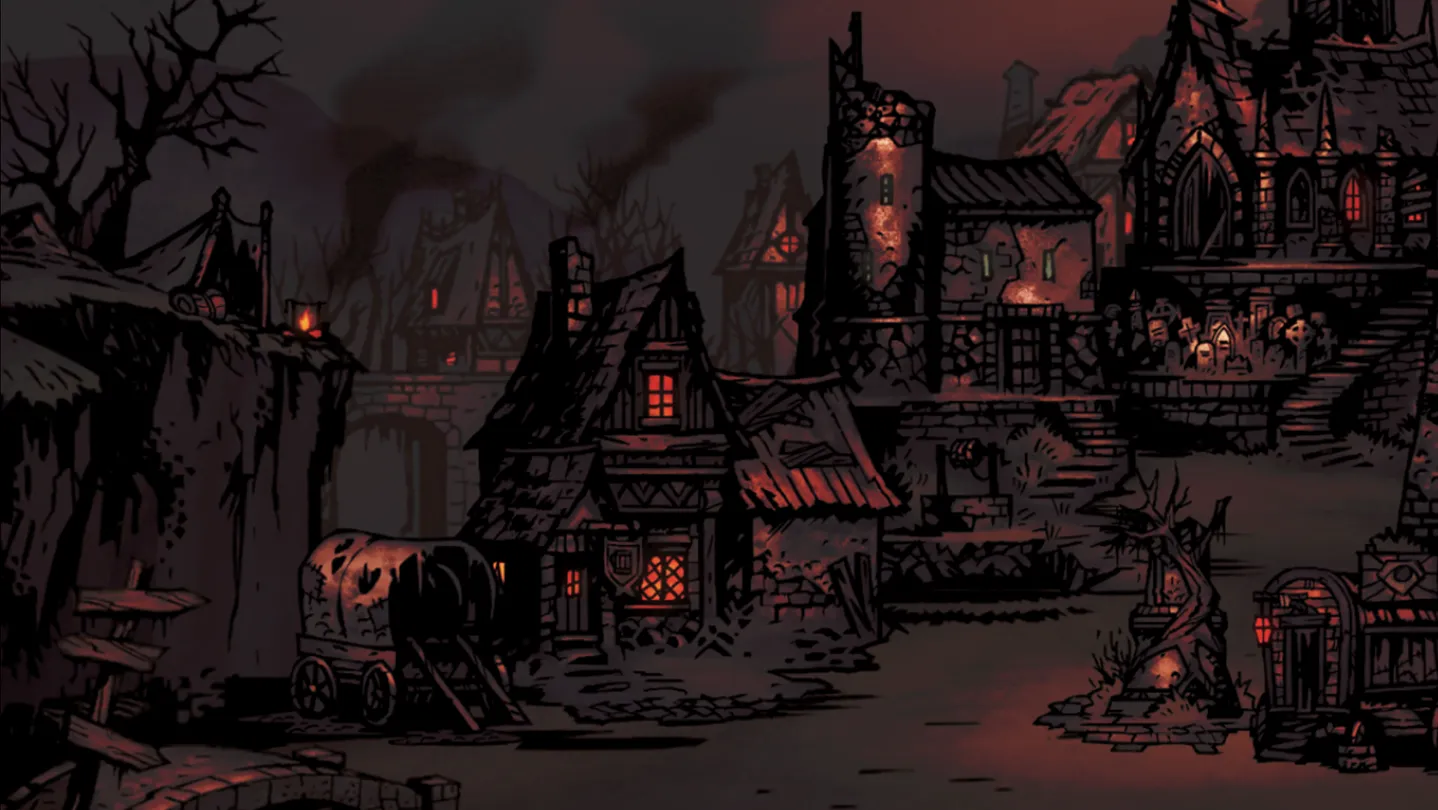
The Hamlet is your long-term progression system. Gold and heirlooms collected in dungeons are used to upgrade facilities that improve survival odds.
Important early upgrades include:
- Stagecoach (increase roster size)
- Guild (skill upgrades)
- Blacksmith (equipment upgrades)
- Abbey and Tavern (stress relief)
Investing too heavily in one area can leave others underdeveloped. Balanced upgrades ensure steady power growth.
Higher-level heroes require better equipment and skills. Neglecting upgrades leads to unnecessary casualties in mid-game dungeons.
Managing Quirks and Diseases
Heroes develop quirks—positive and negative personality traits—based on experiences. Some quirks improve combat effectiveness, while others hinder performance.
Examples include:
- Positive: Increased damage in certain regions
- Negative: Kleptomania (steals loot), Fear of Eldritch
Negative quirks can be removed in the Sanitarium for a cost. Deciding which quirks to cure requires strategic judgment.
Diseases acquired in certain regions reduce stats. Ignoring diseases compounds difficulty over time.
Maintaining hero quality is as important as leveling them.
Dungeon Types and Regional Strategies
Darkest Dungeon features multiple regions, each with unique enemies and environmental hazards.
Key regions include:
- Ruins (unholy enemies, weak to blight)
- Warrens (beasts and disease-heavy threats)
- Weald (fungal enemies, bleed focus)
- Cove (eldritch foes, high stress damage)
Tailoring your party to region weaknesses dramatically improves success rates. For example, blight-heavy teams perform well in the Ruins.
Provision choices also vary by region. Bringing proper curatives prevents unnecessary damage.
Adaptation is essential for consistent progression.
Camping and Long Expedition Management
Long and medium-length expeditions allow camping, which provides healing, stress relief, and temporary buffs. Proper use of camping skills can determine success.
Camping priorities:
- Reduce high stress heroes
- Heal low health heroes
- Apply scouting and combat buffs
Using camping too early wastes its potential. Waiting until stress levels rise maximizes value.
Camping skills differ between heroes. Building teams with complementary camping abilities enhances endurance.
Boss Fights and High-Risk Encounters
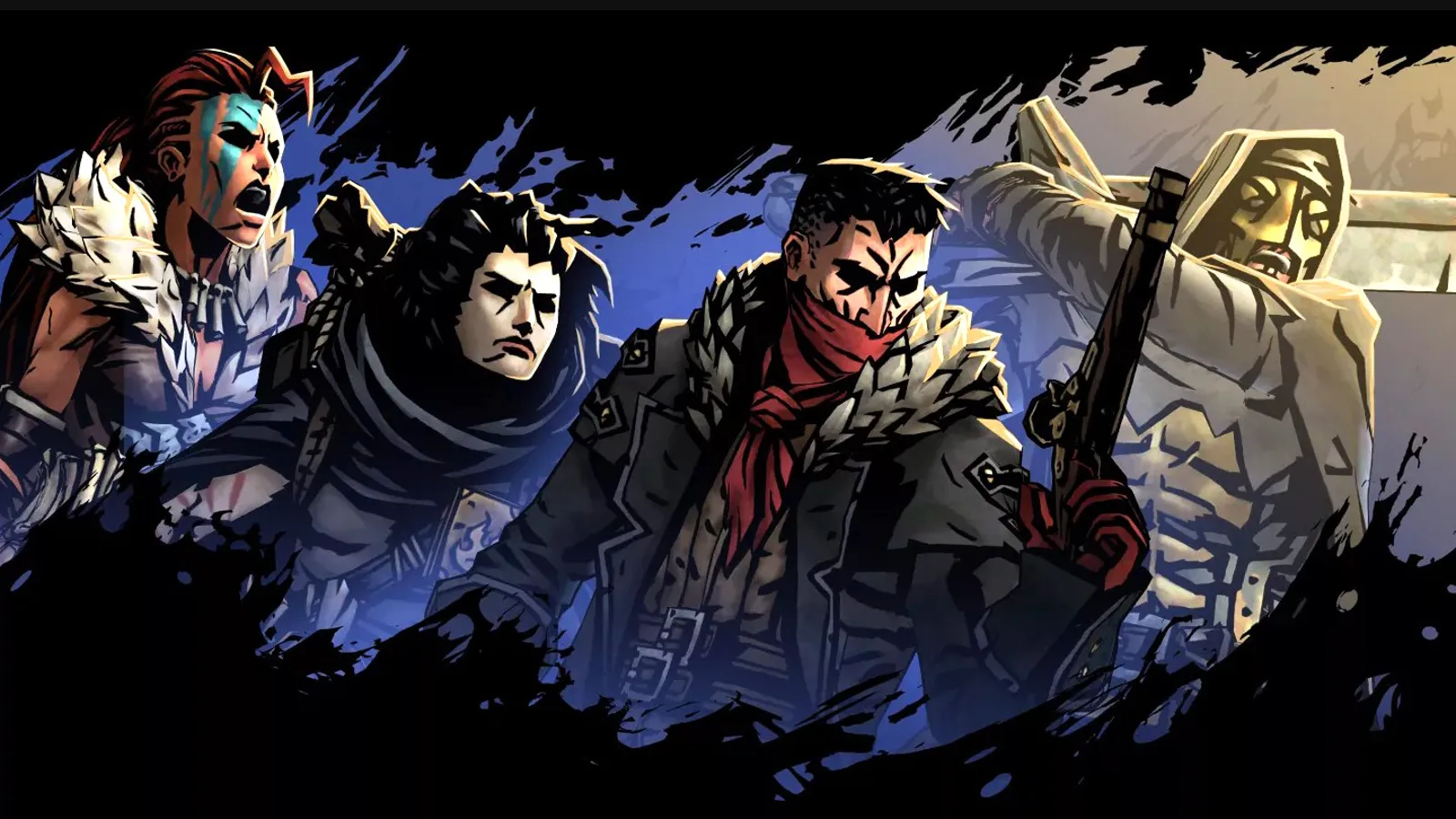
Bosses introduce unique mechanics that punish unprepared teams. Studying boss behavior before engagement is crucial.
Boss preparation includes:
- High-level equipment
- Region-specific resistances
- Balanced stress management
Boss fights often involve mechanics that require targeting specific body parts or surviving waves of minions.
Patience wins boss encounters. Rushing damage without understanding mechanics often leads to party wipes.
Mid-Game to Late-Game Scaling Challenges
As heroes level up, dungeon difficulty increases. Champion-level missions introduce higher damage, more stress, and brutal enemy combinations.
Scaling challenges include:
- Increased crit frequency
- Higher stress accumulation
- Tougher enemy resistances
Rotating heroes prevents burnout and stress overload. Keeping a deep roster ensures flexibility.
Preparing for the final dungeon requires fully upgraded heroes, optimized trinkets, and strategic planning.
Endgame and Legacy of Loss
Darkest Dungeon’s final missions test everything learned throughout the campaign. Death is permanent, and losses can be devastating.
The game’s narrative reinforces its core philosophy: victory is possible, but suffering is inevitable. Heroes may perish, but the estate must endure.
Success is defined not by perfection, but by persistence.
Conclusion
Darkest Dungeon is a masterclass in strategic risk management and psychological survival. Its stress system transforms traditional dungeon crawling into a battle against mental collapse as much as physical danger. Every expedition demands preparation, adaptability, and acceptance of loss.
Players who embrace its unforgiving design discover a deeply rewarding experience filled with tension and triumph. Darkest Dungeon does not promise heroism—it demands resilience. Those willing to endure its darkness will find a uniquely satisfying challenge.
160-Character Summary
Darkest Dungeon is a brutal roguelike RPG where stress, strategy, and permanent death shape every expedition and long-term survival decision.